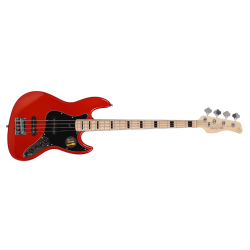
WHY CHOOSE A MARCUS MILLER BASS
Marcus Miller electric basses have revolutionized the market by offering professional specifications at highly accessible prices. Their catalogue is smartly structured:
- Clear series: each bass family (V, P, U, M, Z, D) is easily understood by its body design and pickup configuration.
- Range of options: models in 4, 5, and 6 strings, plus specific variants like left-handed, fretless, acoustic, and short scale basses.
- Level steps: within each series, the numbers (3, 5, 7, etc.) indicate the tier. This helps you upgrade in woods and finishes without having to change families if you already love the sound.
MARCUS MILLER SERIES: WHAT EACH ONE OFFERS (BODY AND PICKUPS)
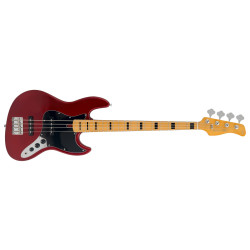
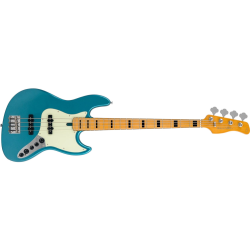
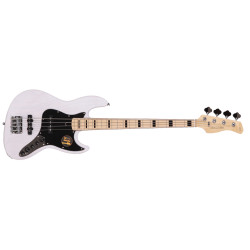
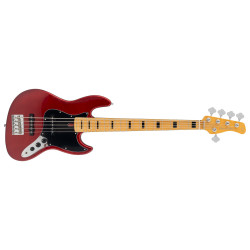
V Series: Jazz Bass Body + JJ Pickups
The Marcus Miller Jazz Bass line is the brand's pure traditional approach: dual JJ pickups, an incredibly adaptable sound for any genre, and a very comfortable ergonomics for long playing sessions.
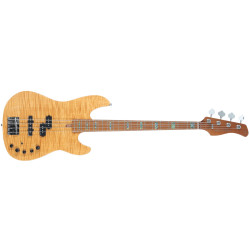
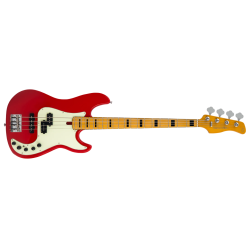
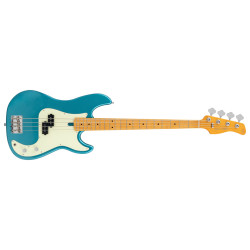
P Series: Precision Bass Body (P or PJ depending on the model)
The Precision Bass models from the P family go straight to the foundation: a classic body with a very solid low-end presence that sits easily in the mix alongside drums and guitars.
U Series: Jazz Bass Design + PJ Configuration (Comfort)
The short scale U series is designed for those who prioritize comfort and practicality: it maintains the stylized Jazz Bass design but incorporates a PJ configuration to ensure a very solid foundation with extra definition when you need it.
M Series: Modern Bass + Dual Humbucker (HH)
The M family represents the modern approach of Marcus Miller: a more ergonomic "Modern Bass" body and an HH configuration designed to deliver a much more contemporary, powerful, and punchy tone.
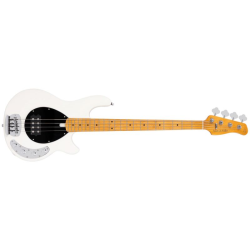
Z Series: StingRay Design (H or HS depending on the model)
The Z family is the brand's alternative for those looking for the unmistakable StingRay character: a very clear, bright attack with a huge presence in the mix.
D Series: T-Style / Tele Bass + S Configuration
The D5 model is the brand's Tele Bass format: a highly recognizable vintage aesthetic and a straightforward sound, very easy to place within classic rock or vintage styles.
4, 5, OR 6 STRINGS: WHAT CHANGES IN PRACTICE
- 4 strings: the standard for the vast majority of repertoires and the most direct, comfortable, and traditional way to start.
- 5 strings: adds an extra low string (Low B). Ideal for expanding your sonic range into the lows without constantly having to shift positions on the neck.
- 6 strings: expands the range both upwards (highs) and downwards (lows). Fits perfectly if you play highly melodic basslines, take solos, or are looking for an extended-range bass (ERB).
HOW TO CHOOSE YOUR MARCUS MILLER BASS
- I want an all-rounder bass for everything: go to the V series (choose V3, V5, or V7 depending on whether you prefer active/passive or just passive).
- I want a direct, punchy foundation for my band: go to the P series (the P5 if you want a pure classic Precision; the P7 if you want the versatility of PJ pickups + the Heritage-3 preamp).
- I want maximum comfort with a PJ sound: go to the U series (like the U7, a short scale with advanced electronics).
- I want a modern, heavy sound with humbuckers: your best bet is the M series (M7 models = Modern Bass, HH).
- I want the classic "StingRay" vibe: go for the Z series (Z3 = H pickup; Z7 = HS with Premium J+MM).
FAQ
What do the JJ, PJ, HH, H, and HS pickup configurations mean?
These are the combinations that define the bass's sound: JJ (two Jazz-style single coils, highly versatile), PJ (one Precision + one Jazz pickup, the perfect hybrid), HH (two humbuckers, thick and modern sound), H (one humbucker in the bridge, percussive sound), and HS (humbucker + single coil). Choosing this configuration means choosing your instrument's "base character."
Active vs. Passive: what changes day-to-day?
On a passive bass (like the V5 or P5 series), you shape the sound traditionally using the instrument's tone knob and the EQ on your amp or pedals. On an active bass, you have a built-in battery-powered preamp that allows you to EQ (bass, mids, treble) directly from the instrument itself, letting you change tones much faster. The choice depends on whether you prefer plug-and-play simplicity or maximum EQ control from the bass.
What are the benefits of a short scale vs. a standard scale?
A short scale bass has a shorter neck, so it feels more compact, with less string tension and a very comfortable reach, making it ideal for smaller hands or guitarists switching to bass. The standard scale (34 inches) is the usual reference, offering a tighter, more defined low-end tone, and fits into virtually any band situation.
What is the most important thing to look for before deciding on a model?
The main thing is that the bass feels comfortable to you (in terms of weight and neck ergonomics), that the pickup configuration fits your musical style, and that the electronics (active or passive) make sense for how you play. If you tell us what style you play and your context (playing at home, rehearsing, or gigging), we at Mat Guitars can help you narrow it down to specific options.