


Jackson Audio Fuzz



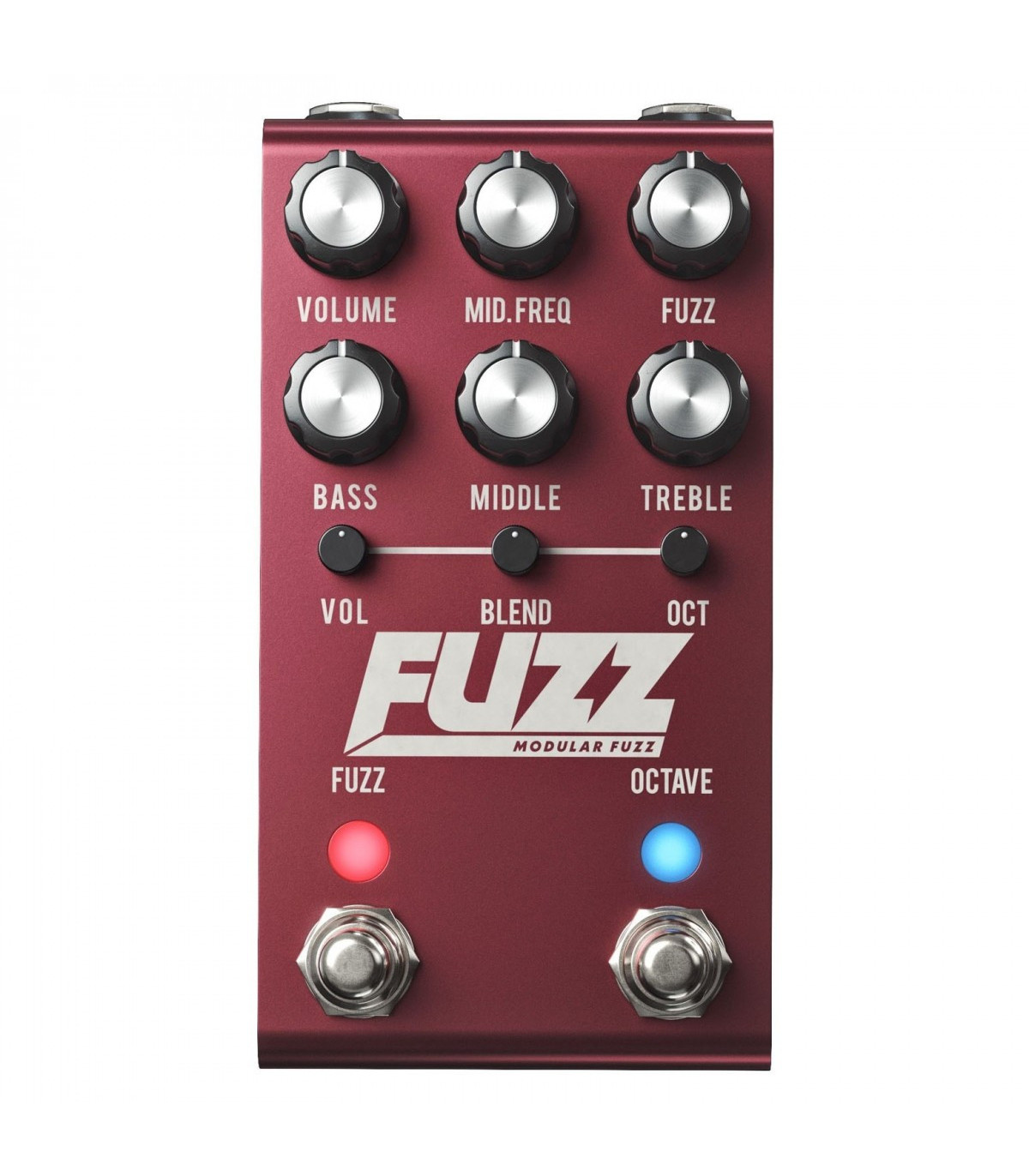
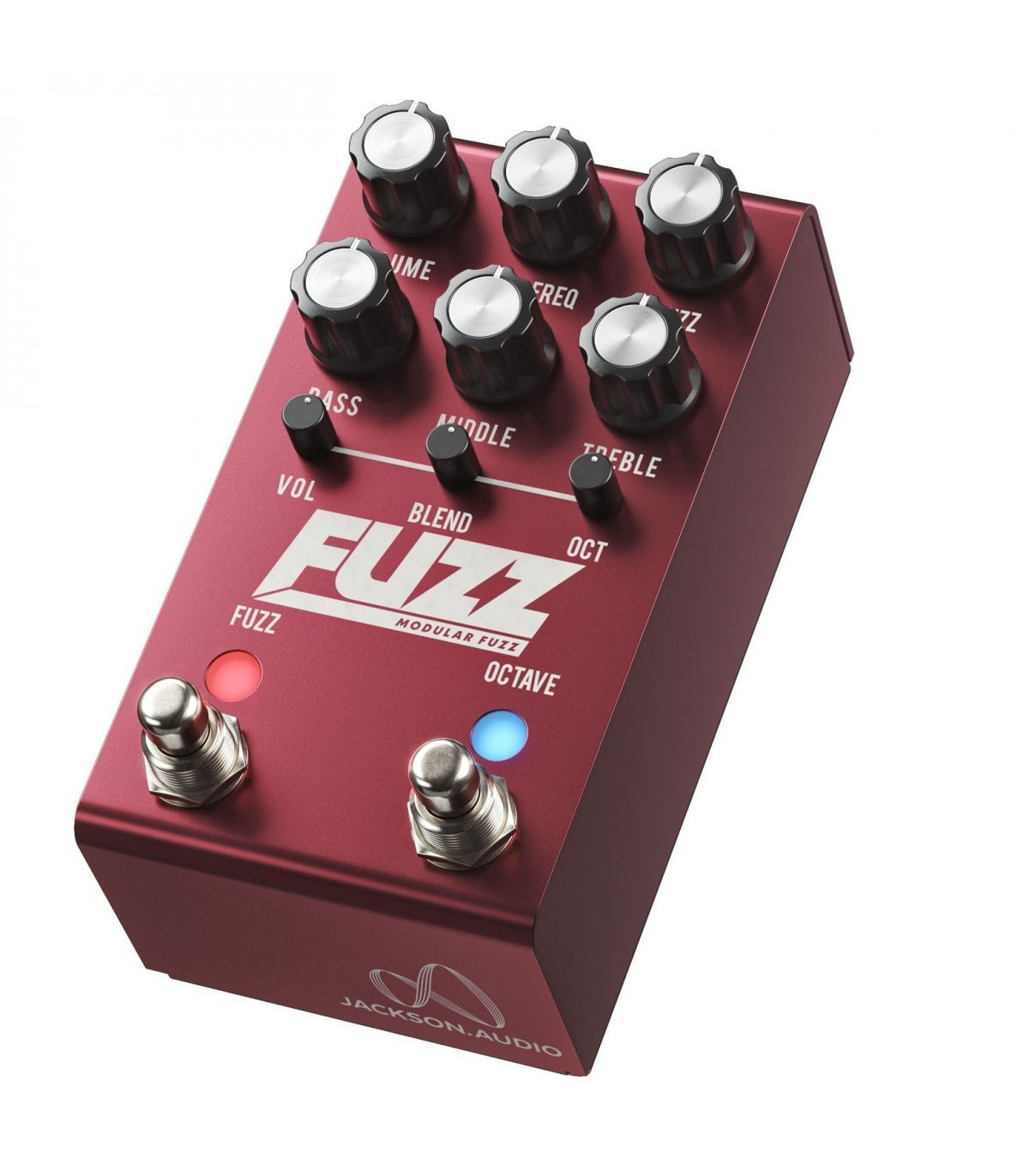
The Jackson Audio Fuzz combines recreations of historic fuzz circuits into a modular pedal that allows you to create both classic and modern fuzz sounds with a simple module swap.
- Analog modular fuzz
- Includes the Modern Fuzz module installed and the Classic-Vintage module for swapping
- True bypass
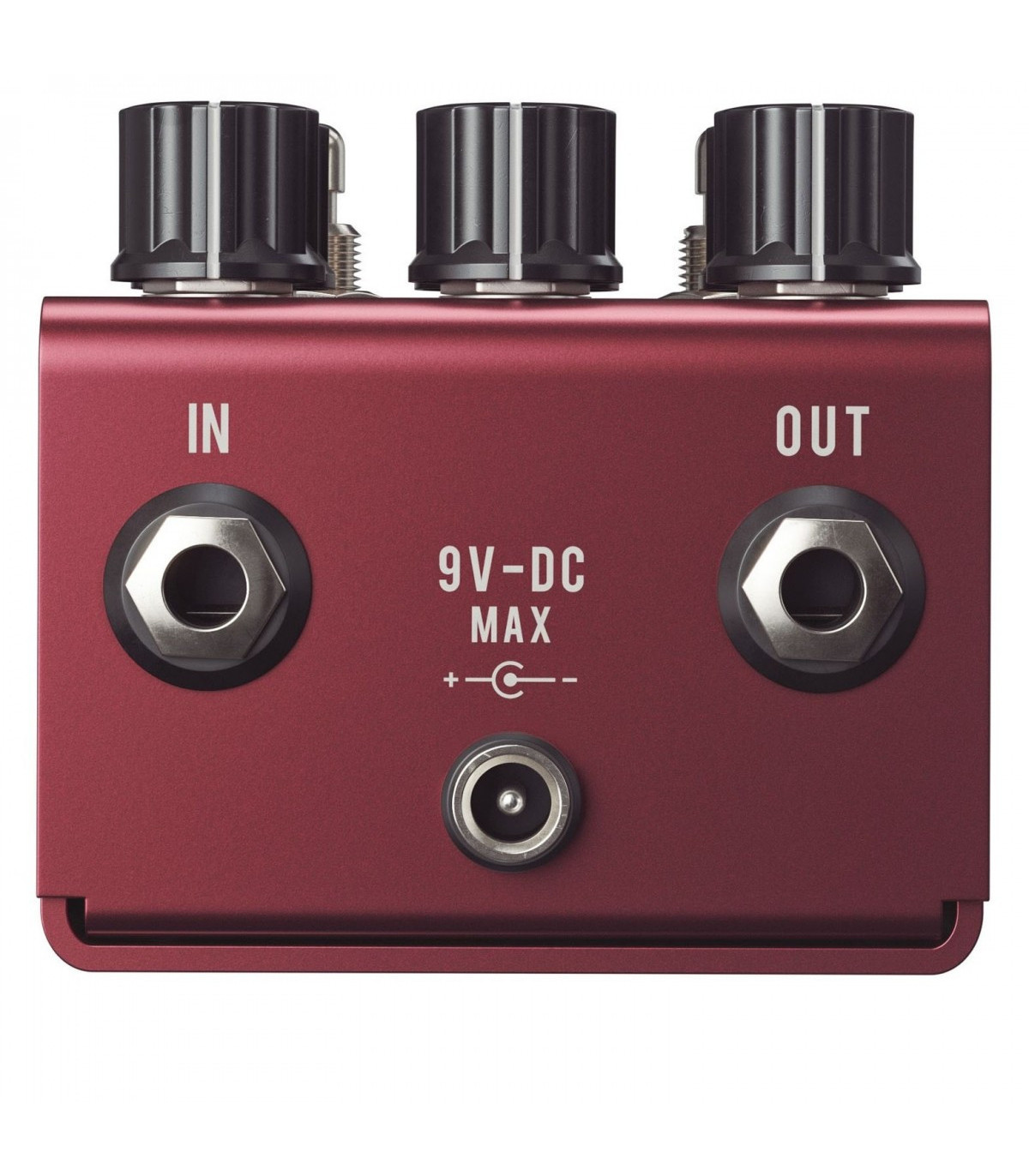
- Operates on 9V
- Consumes 50mA
- Made in the USA
With the Jackson Audio Fuzz, you can completely upgrade your fuzz sound with different analog modules, transforming your pedal into a brand-new device with a simple and affordable change of modules.
Analog Modules
The idea to create a modular fuzz emerged when Jackson Audio team was trying to decide what style of fuzz would be the most musical of all time. Their ultimate answer became "All of them!".
- Modern Fuzz: from vintage-style fuzz with lower gain settings to a aggressive, high-gain fuzz, the Modern Fuzz module does it all and cleans up beautifully when the guitar's volume control is rolled back. This module is included in the standard pedal.
- Classic/Vintage Fuzz: A recreation of the legendary germanium Fuzzface. This module has lower gain and delivers a more laid-back, softer sound. Perfect for Hendrix-style tones. This module is included in the standard pedal.
- Fuzz Page Mark II: A Led Zeppelin-inspired fuzz, this pedal is completely raw and geared towards Jimmy Page's classic rock sound. Sold separately.
- Modern Fuzz Deluxe: Similar tone to the Modern Fuzz but with expanded options including different clipping types. DIST: provides higher headroom distortion, OLD: offers a smoother distortion with the feel of a classic overdrive. Sold separately.
- Classic/Modern Fuzz: A recreation of later-era Fuzzface, with a slightly sharper sound and higher gain. Sold separately.
- Goat Head: This module is based on a Ram's Head Big Muff Pi, delivering a Pink Floyd-style sound with extreme fuzz levels, plus a parametric EQ. Sold separately.
Parametric Equalizer
How you EQ your tone, especially the midrange, is crucial for your guitar to stand out in the mix. Sometimes when using a fuzz, if there are not enough mids, the guitar can get lost, and too many treble frequencies can make the tone piercing and unpleasant, or we might clash with the bass if there are too many bass frequencies. With this Fuzz’s parametric EQ, you have 9 controls to shape your tone and ensure it sits well in the mix.
- BASS LEVEL - External knob. Adjusts the amount of bass frequencies. +/- 20 dB
- BASS FREQ - Internal trimmer. Selects which bass frequency is being adjusted.
- BASS Q - Internal bandwidth control. Adjusts how narrow or wide the selected frequency is.
- MID LEVEL - External knob. Adjusts the amount of midrange frequencies. +/- 20 dB
- MID FREQ - External knob. Sets which midrange frequency is being adjusted.
- MID Q - Internal bandwidth control. Adjusts how narrow or wide the selected midrange frequency is.
- TREBLE LEVEL - External knob. Adjusts the amount of treble frequencies. +/- 20 dB
- TREBLE FREQ - Internal trimmer. Selects which treble frequency is being adjusted.
- TREBLE Q - Internal bandwidth control. Adjusts how narrow or wide the selected treble frequency is.
Octave
A good fuzz always gets along well with octaves.
- The Blend control mixes the clean signal with the fuzz/octave signal to precisely set how much octave effect we want.
- The Blend control fully counter-clockwise (left) makes the octave circuit act as a boost, which is very interesting for pushing the fuzz sound.
- With the Blend control fully clockwise (right), the signal will be fully distorted along with the selected octave amount.
EAN13: 0600093087553