


EBS Stanley Clarke Preamp
Reference:
MEBSTANLEY-PREAMP
Add to compare
(0)
405.00 €
(tax incl.)
Delivered between 7 and 11 August

Free shipping


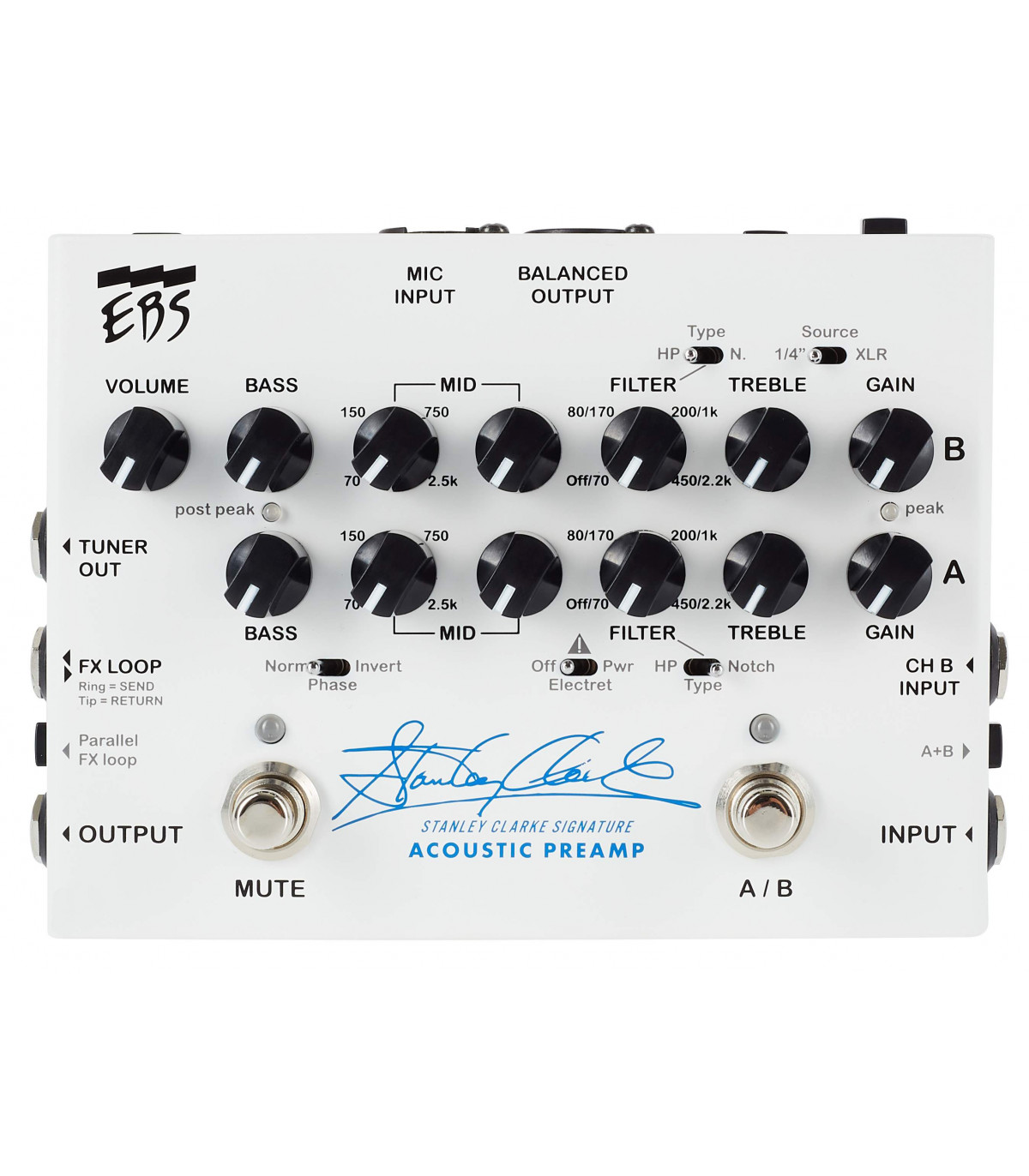
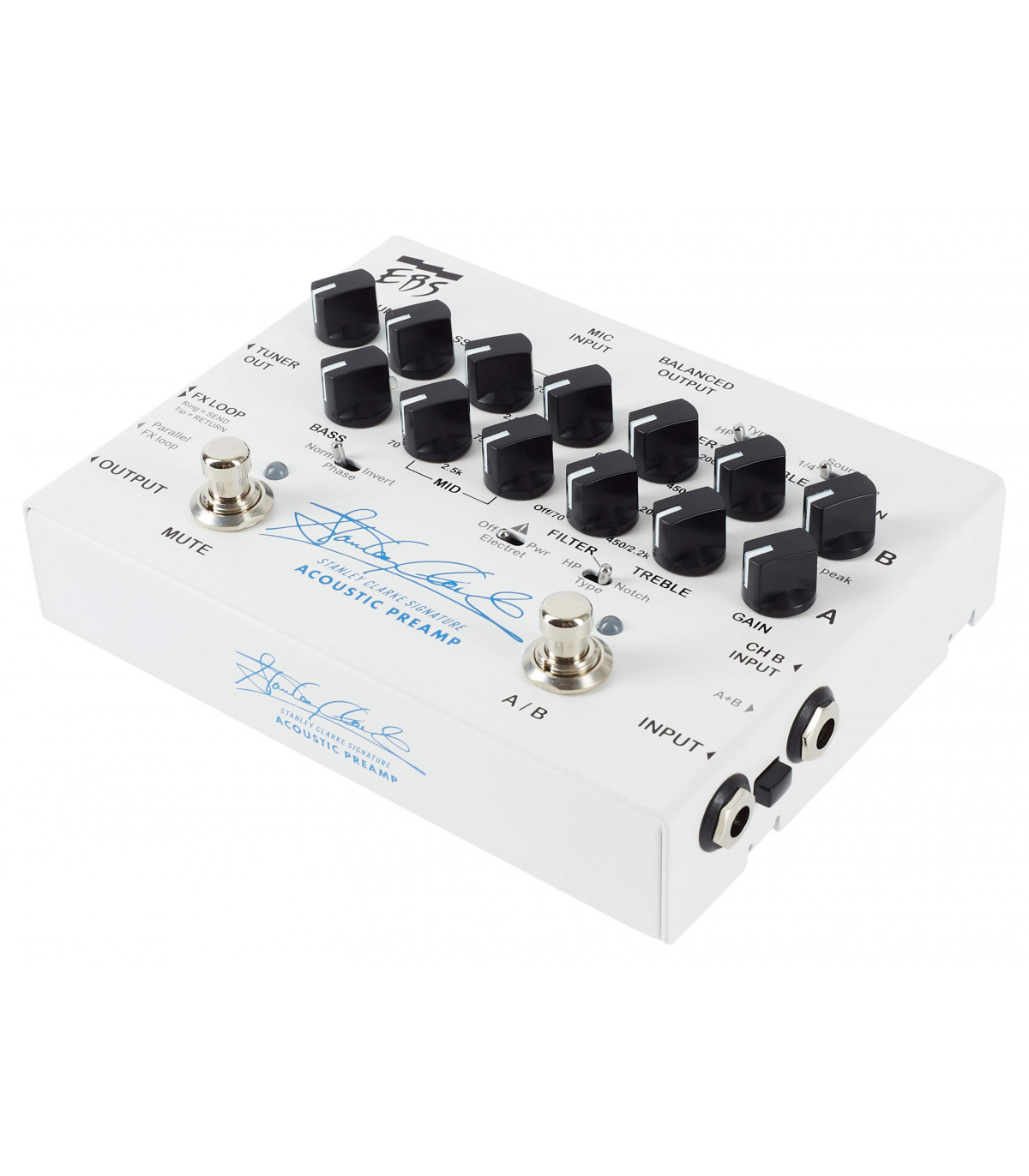
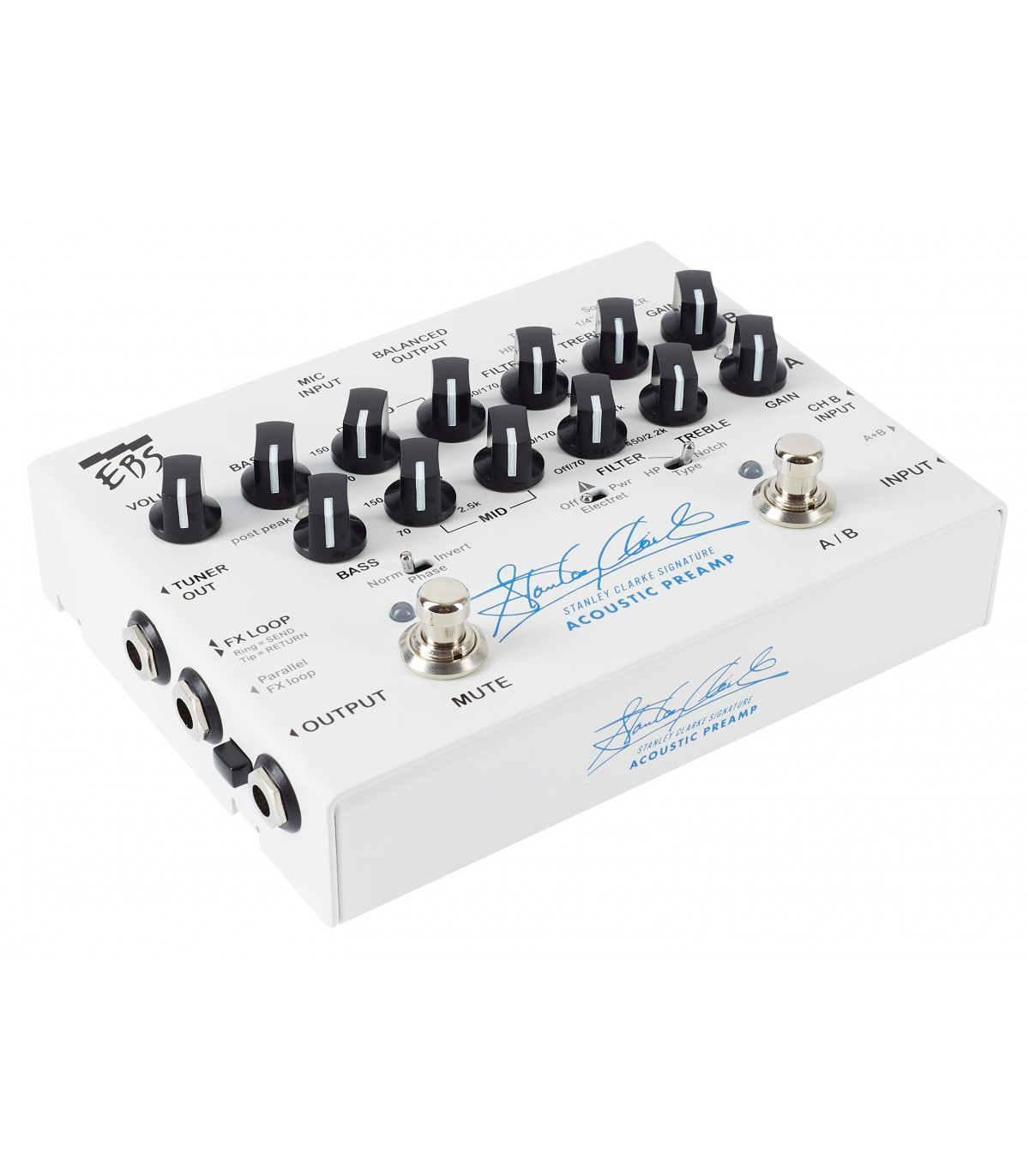
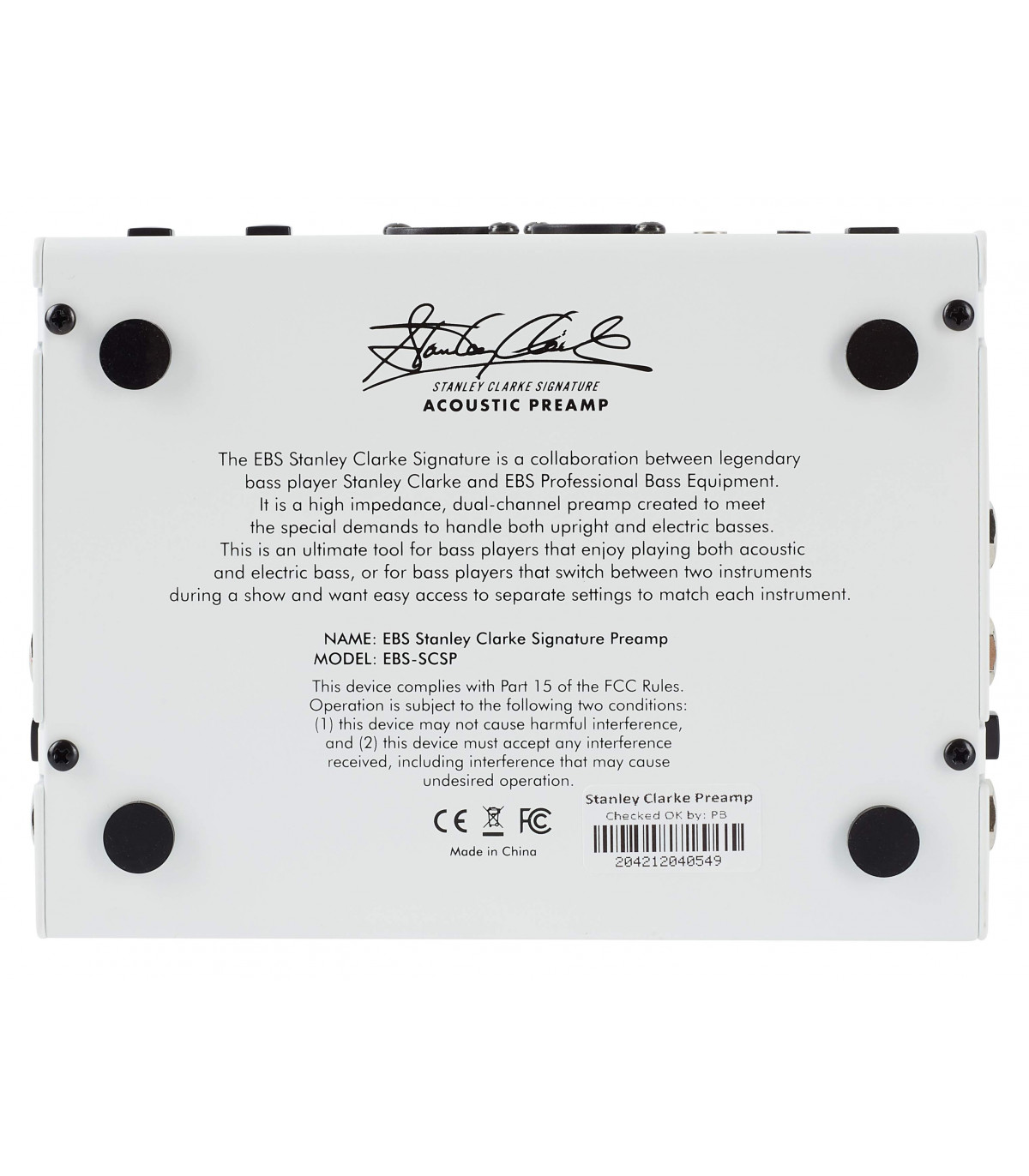
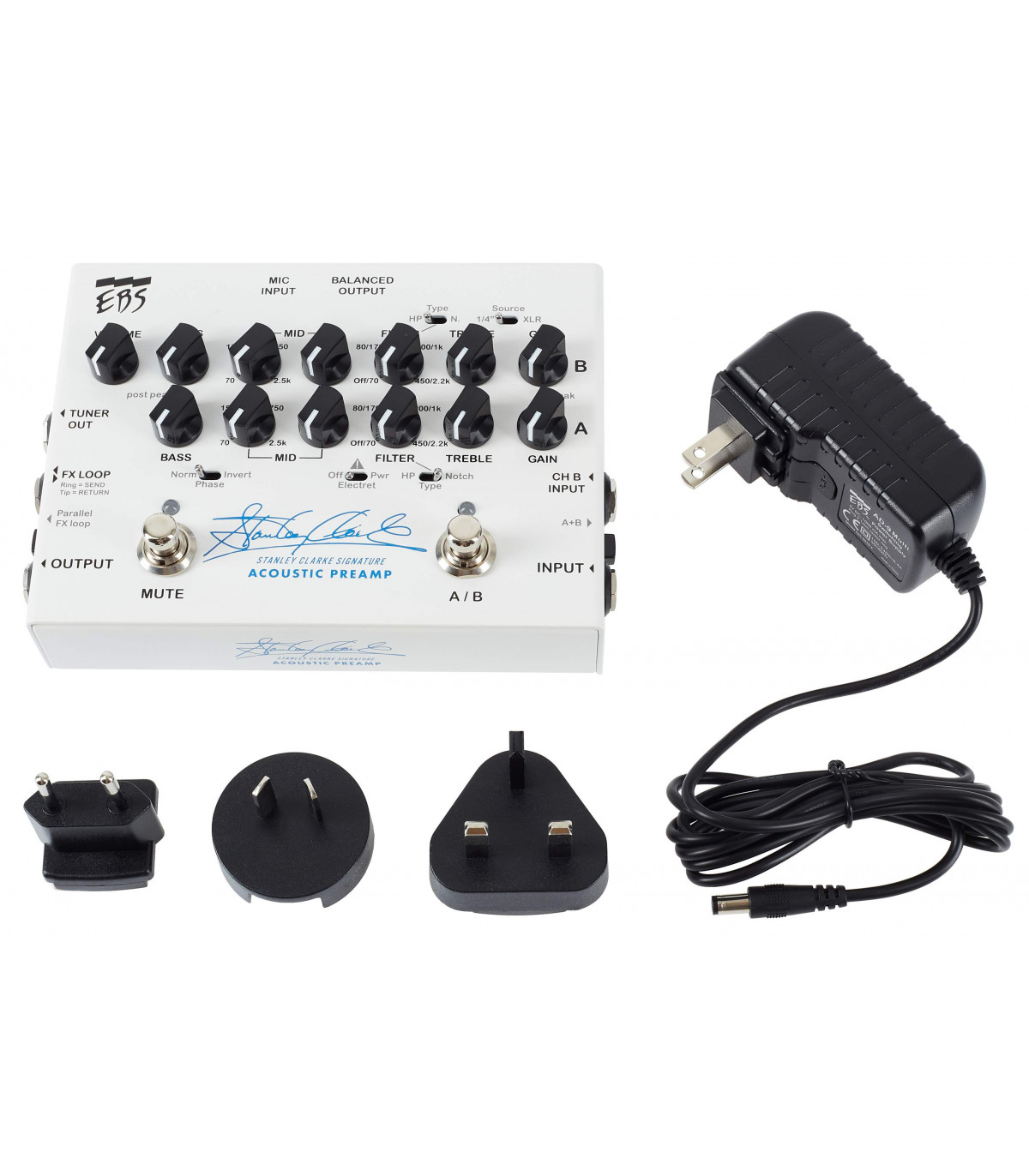
EBS Stanley Clarke Signature Preamp.
- Two-channel preamp for acoustic instruments (A/B or A+B)
- Operates with studio-quality signal
- Input impedances of 10 MegaOhms
- Individual high-pass/notch filter for each channel
- XLR microphone input with Phantom Power (channel B)
- Effects loop (series/parallel)
- Output for tuner
Amplifying an acoustic instrument, such as an upright bass, is always a challenge that requires superior sound quality, powerful filters, and special features.
The Stanley Clarke Signature Acoustic Preamp is a 2-channel preamp built exclusively with premium components. Designed and developed by EBS in collaboration with legendary bassist and composer Stanley Clarke.
Individual Input Options
With an input impedance of 10 MΩ for channels A and B, you can connect any instrument with passive, active, or high-impedance piezo pickups. Channel A also supports Electret pickups when a dedicated switch is activated.
Channel B allows you to use a condenser or dynamic microphone with Phantom power of 48 V (or passive) as a source through an XLR input. You can choose between using the XLR or 1/4" input for channel B via a switch. The preamp enables you to switch between channels A and B to accommodate different playing styles, such as arco or pizzicato, or to blend both sources if using two different input sources. Combining two different sound sources can sometimes cause phase issues. To address this, the amplifier includes a phase inverter switch connected to channel A, which resolves the problem.
Outputs and Additional Features
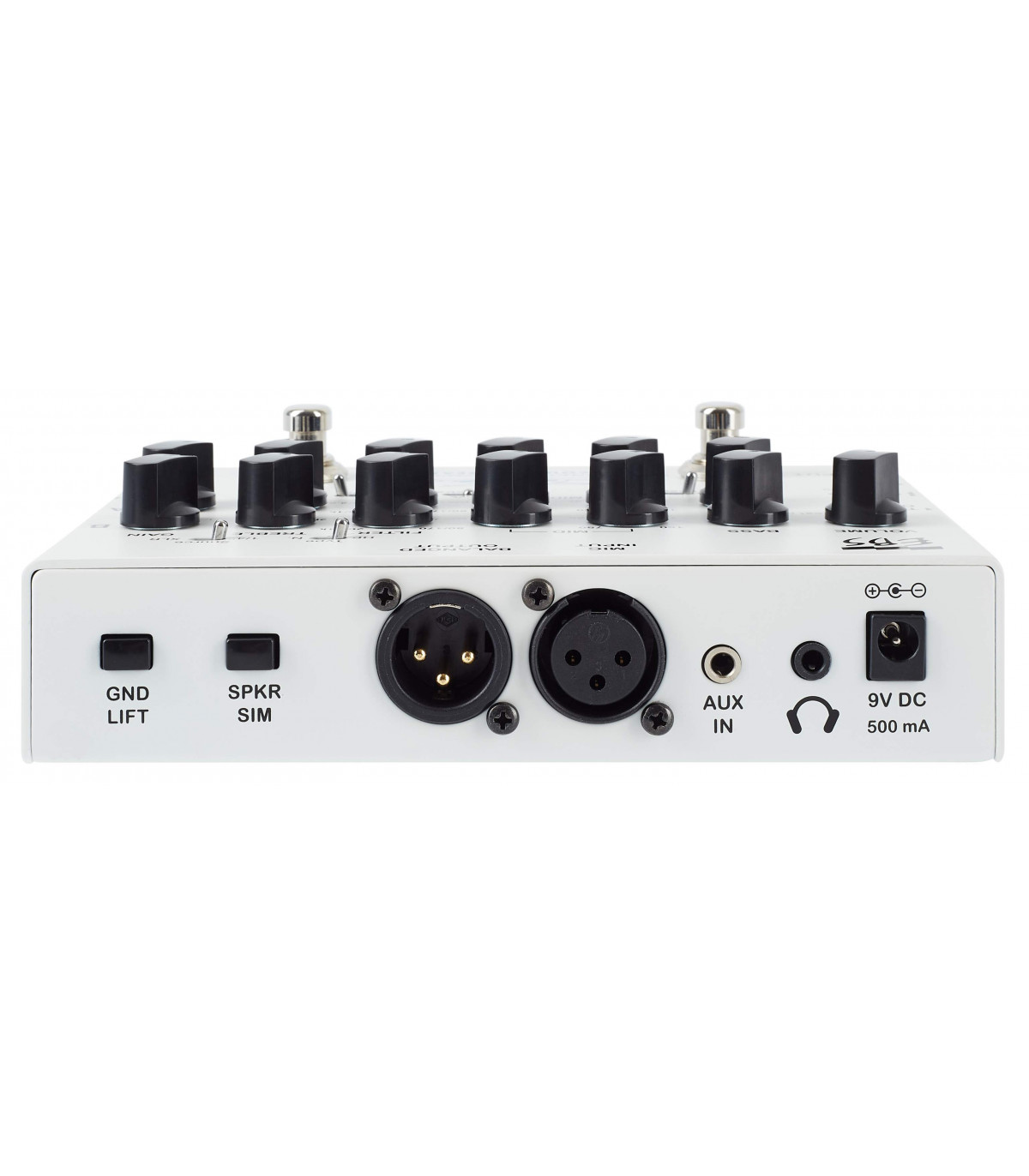
You can connect additional effects in series or parallel via the built-in effects loop (requires a Y-split insert cable). The Tuner Out allows you to connect an external tuner. The balanced XLR output delivers studio-quality line-level signal to the front of house or recording device. Use it together with a speaker simulator and the Ground Lift switch to eliminate hum. The auxiliary input and headphone output make practicing and monitoring your instrument easy.
Can this pedal be used with other instruments?
Yes, of course. The broad and complex frequency range of an upright bass means that most other instruments (acoustic or electric) fall within the range covered by this pedal. The rest of acoustic instruments benefit from the same specific features this pedal is equipped with. Electric bassists will find the two channels similar as an excellent way to make individual EQ adjustments for two different instruments and seamlessly switch between them during a performance.
EAN13: 7332100450106



 English
 Español